H
Architecture
How to Effectively Layer and Split Business Logic in Large React Native Projects
Horizontally layer by technical responsibility, vertically slice by business domain, then use an explicit assembly layer to connect the two.
25 min
Horizontally layer by technical responsibility, vertically slice by business domain, then use an explicit assembly layer to connect the two.
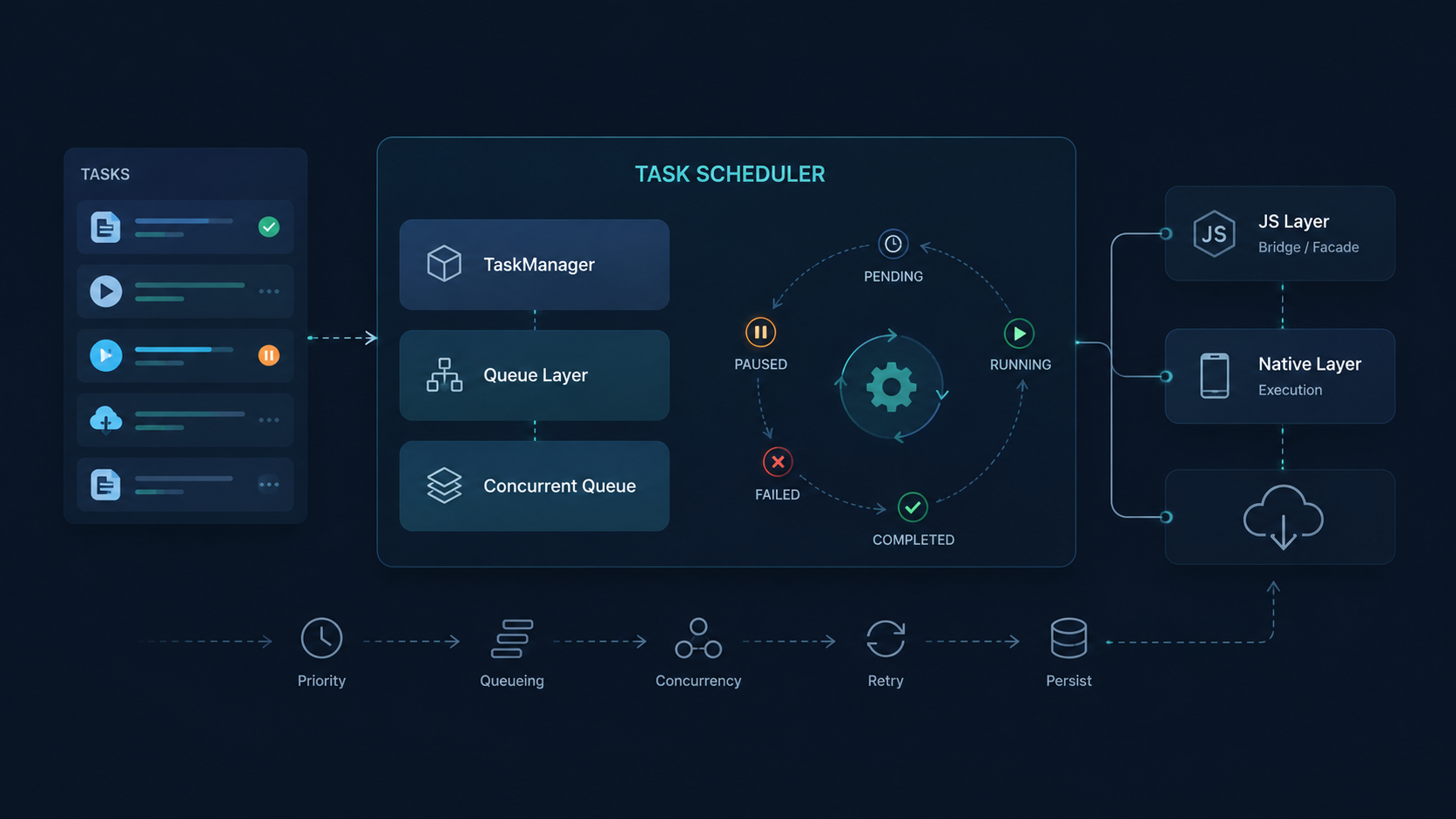
This article focuses not on the download interface itself, but on the task scheduling, state machine boundaries, and Native coordination behind batch downloads.
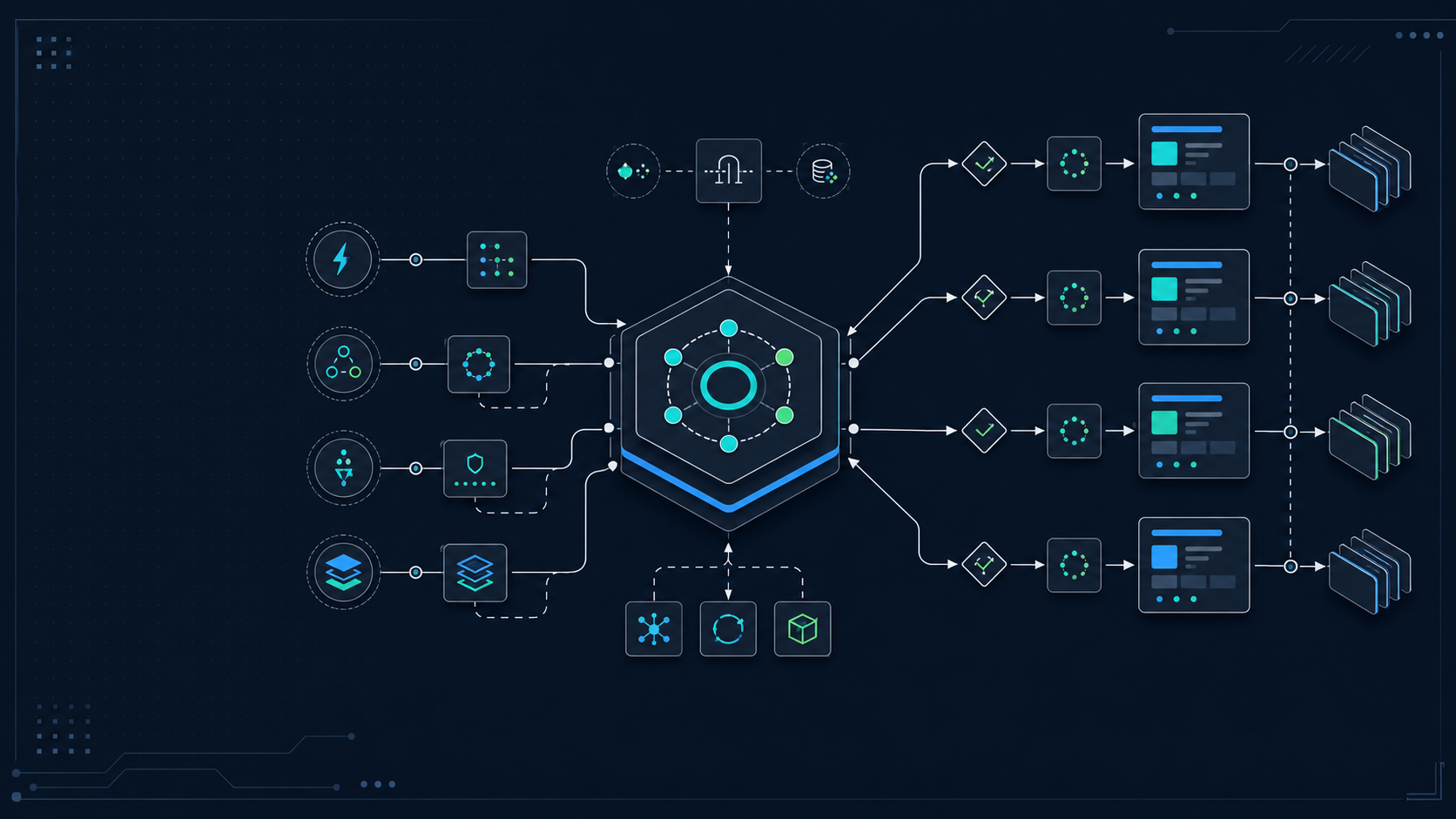
The background of FlowEngine is to first manage the device addition flow in the existing app, while reserving a reusable scheduling model for other complex flows in the future.
The configuration tree offers a middle path: page structure is described by configuration, node dependencies are declared with `features`, business logic is placed back into fetch and interaction logic, and the rendering layer only consumes the final state.
This step addresses the first boundary: who should manage the device business entity, where its state should be read, and where business actions should enter.
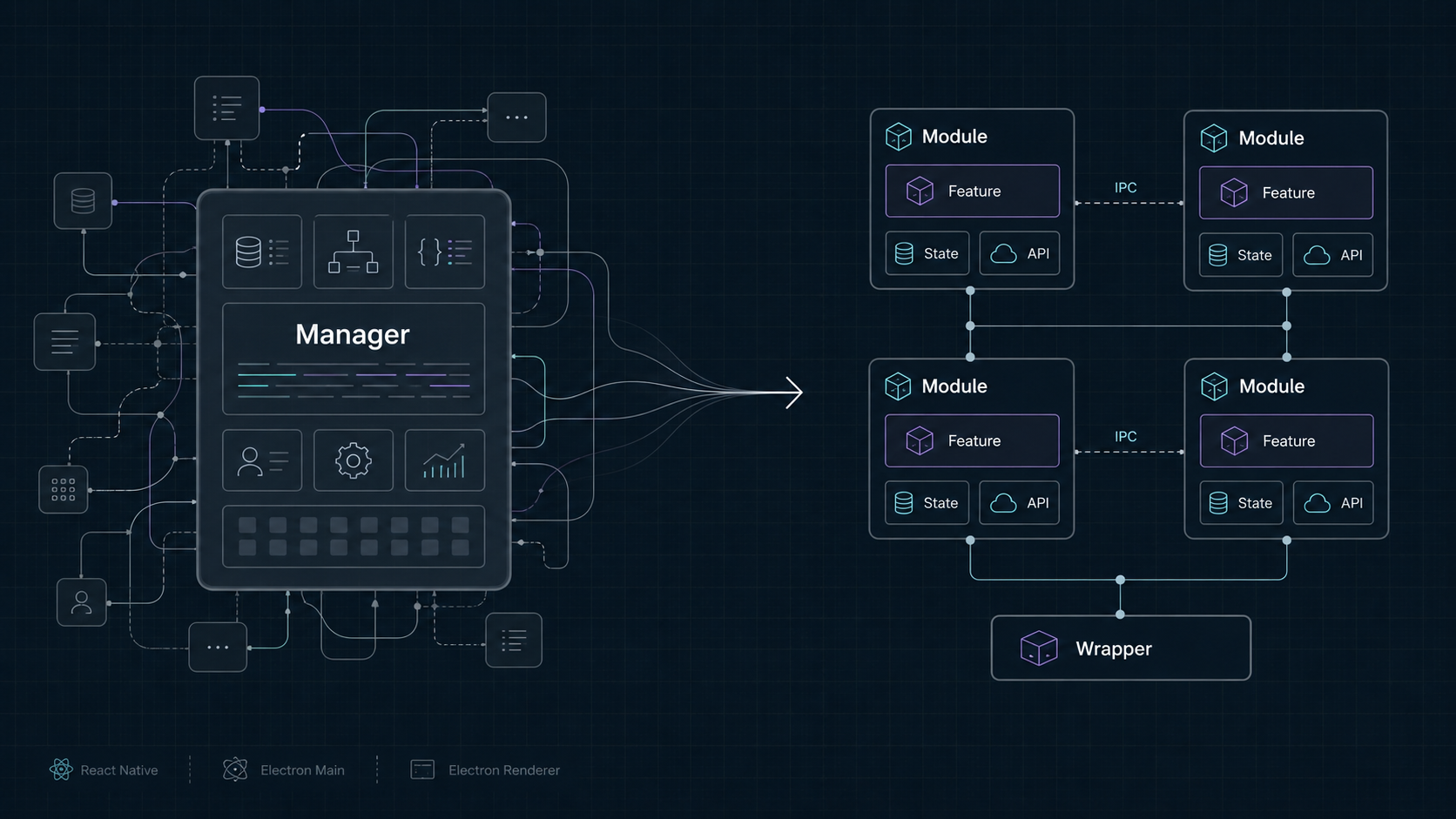
From Manager to Module, the biggest change is not the class name, but the responsibility boundaries have been re-established.

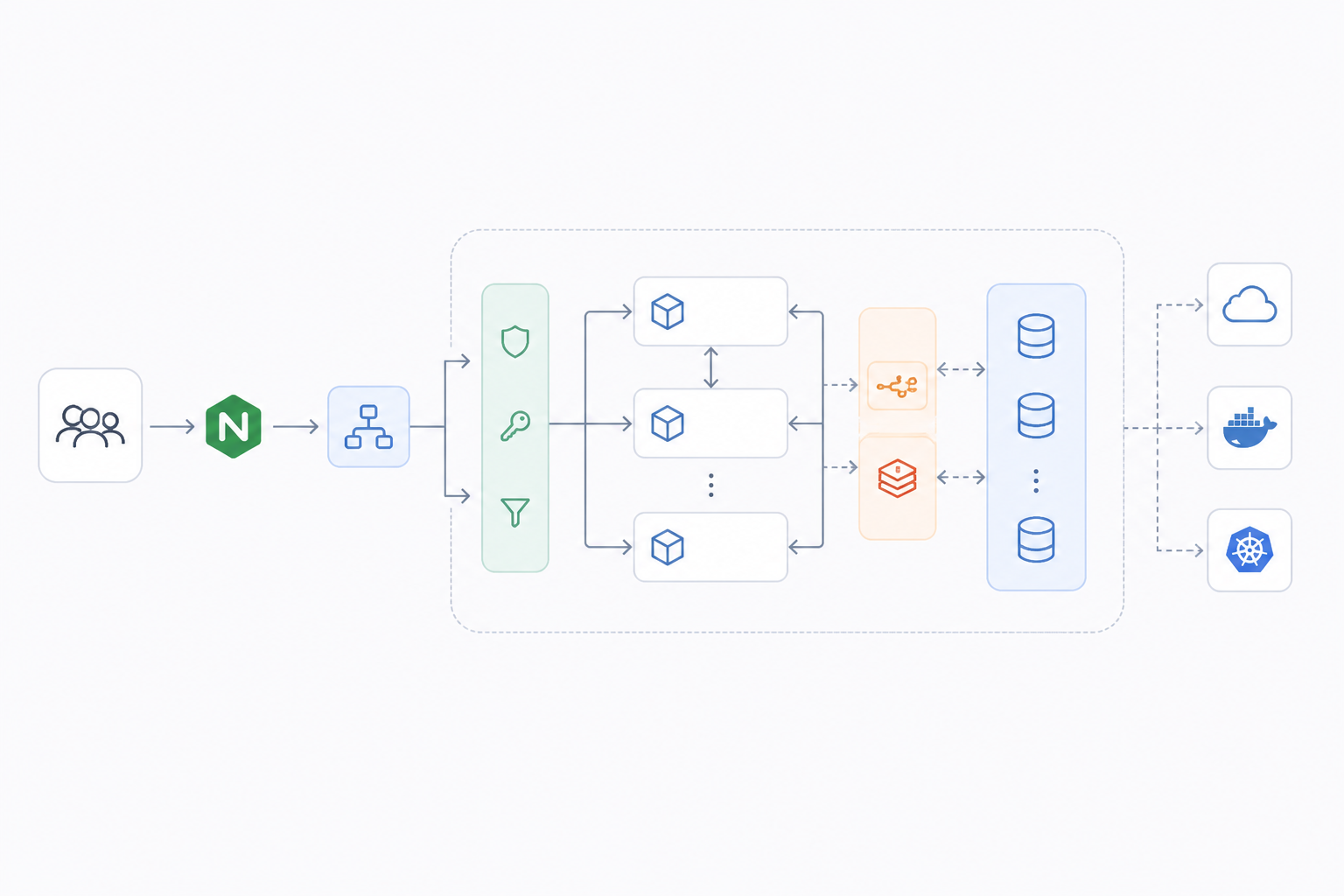
View the page-oriented BFF as a server-side pipeline. Requests first pass through the static and module layer, then through site-wide middleware, hit a specific page for data aggregation, and finally the rendering template decides how to output HTML, stream, or CSR fallback.
Treat merchant differences not as scattered conditional branches, but as objects that need governance.
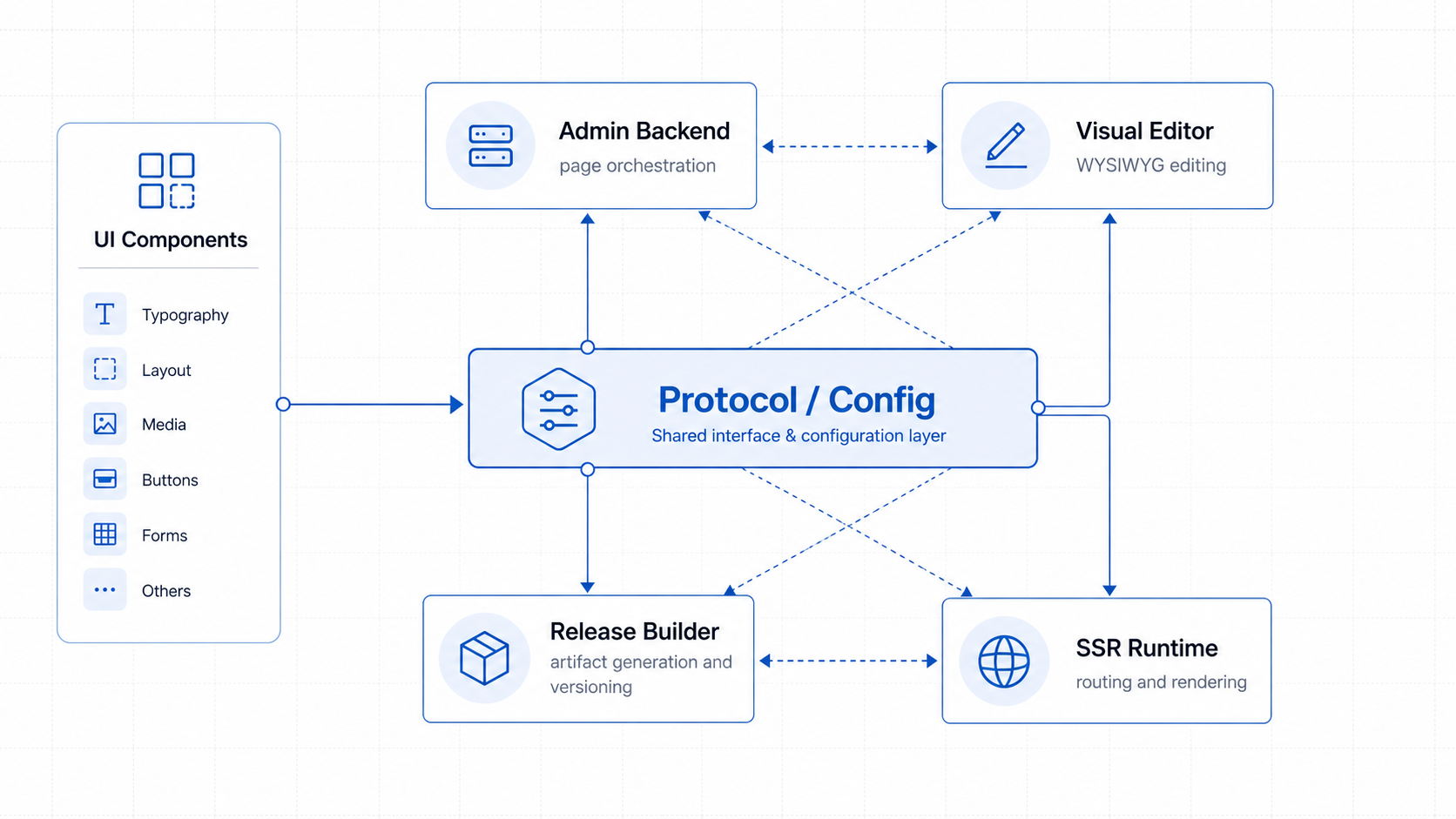
No longer "provide more components," but "provide a page production system." "Abandoned component library" is sensational; actually components become basic materials in the platform.